Research
From Mood and Stress to Support: Modeling How Affective States and Wearable Biosignals Shape Social Interaction Events
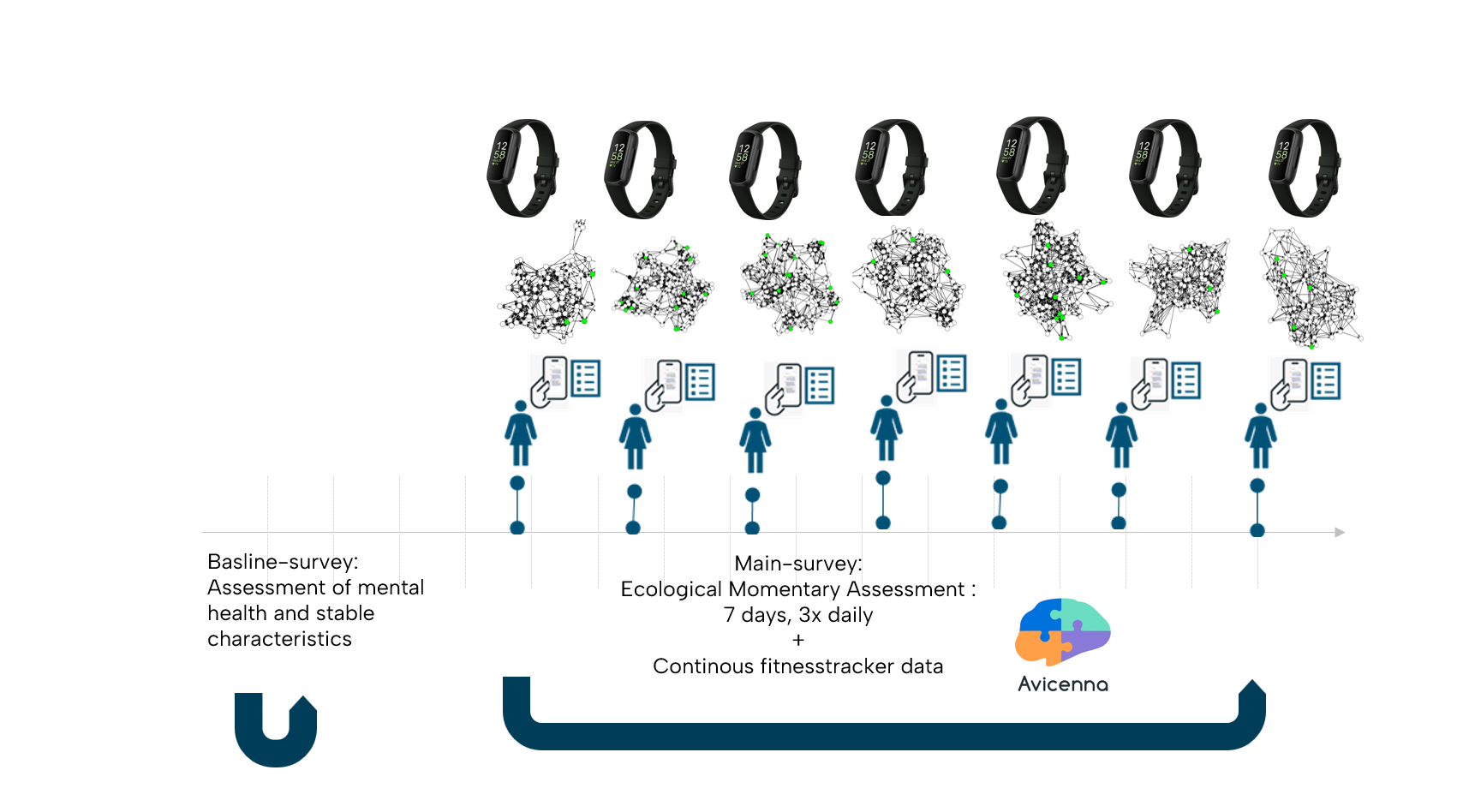
Everyday social interactions are one of the most immediate ways through which mood and stress become socially consequential. Affective states and physiological arousal may shape whether individuals approach others, withdraw from contact, or receive emotional support, yet these processes are difficult to observe because they unfold in short time windows and within concrete social networks. This study examines whether short-term affective states, subjective stress, and wearable-based physiological arousal predict subsequent face-to-face contact and received emotional support within bounded university peer networks. Data come from the Peer-Smart Network Study, a seven-day ecological momentary assessment study among 38 bachelor and master students in Germany. Participants completed three smartphone-based surveys per day, reporting momentary positive mood, negative mood, subjective stress, face-to-face contact, and received emotional support with roster-nominated cohort members. In parallel, participants wore Fitbit Inspire 3 devices, from which lagged mean heart rate and physical activity were derived. Dynamic Network Actor Models were used to estimate how time-varying psychological and physiological states predicted subsequent interaction events while accounting for network endogenous processes. Results show that affective and physiological indicators were not interchangeable. In support models, prior positive and negative mood predicted higher rates of received emotional support in the bachelor cohort, and negative mood showed a similar association in the master cohort. In contrast, higher prior heart rate predicted lower support receipt among master students. For face-to-face contact, negative mood predicted reduced contact in the bachelor cohort, whereas higher heart rate predicted increased contact in the master cohort. The findings suggest that subjective affect and physiological arousal shape everyday social interaction through distinct pathways.

Does It Matter Who You Compare To? Intra- and Intergroup Competition in a City-Wide Cycling Initiative
Background – Regular physical activity is crucial for health, yet often below recommended levels. Social comparison is a key mechanism to increase physical activity, as people adjust their behavior in comparison to others’ performance. Comparison processes are structurally embedded in bounded reference systems rather than occurring in an undifferentiated social field. Classic social comparison theory emphasizes the motivational role of “close” reference groups, such as similar peers or teammates. In contrast, social identity theory highlights that comparisons with more distant outgroups, like competing teams, can mobilize behavior by strengthening collective identities. Objective – Building on these perspectives, we investigate whether relative performance within one’s main team increases individual cycling mileage more strongly than relative performance compared to other teams in the same municipality. Methods – We use novel data from a three‑week city‑wide cycling competition (Stadtradeln) in 30 German cities of varying size, in which all residents are invited to log their cycling activity. More than 112,000 participants reported their weekly cycling distance over three consecutive weeks and could optionally join teams and sub‑teams within their city. This multi‑level structure creates clearly defined near comparison groups and more distant reference groups. Using longitudinal multi-level models with week-specific performance as outcome, we separate the effects of proximal social comparison from those of intergroup tournament logics. To account for structural opportunity conditions, we control for municipality-level weather indicators, as well as contextual characteristics such as cycling infrastructure quality Results – Preliminary analyses indicate that both intragroup rank and intergroup rank are significantly associated with individual cycling mileage when estimated in separate models. However, when including both indicators simultaneously, only intragroup rank remains significantly associated with cycling mileage. This effect was found to be stronger for men than women. Conclusion – These findings suggest that close others are more consequential for individual physical activity than more distant competitors. Physical activity interventions may therefore be more effective when they emphasize direct contact with similar others in small, tightly knit groups.
Harmony on the Plate: Peer Networks and the Maintenance of Vegetarian Identity in Adolescence
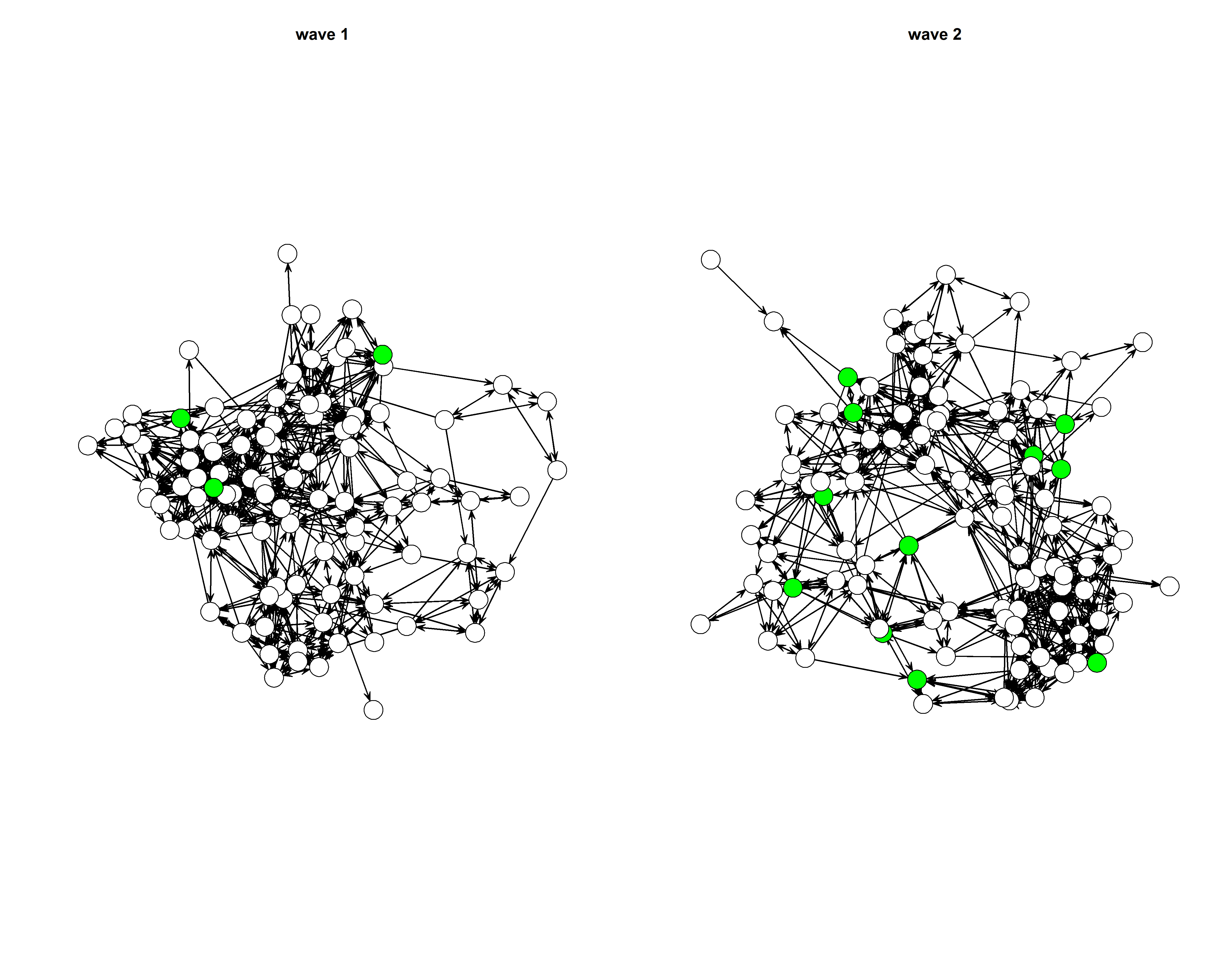
Adolescence is a formative period for the development of dietary identities, yet little is known about how peer relationships shape vegetarianism during this life stage. Existing research on food-related peer influence has largely relied on cross-sectional or perceptual measures, limiting the ability to disentangle social influence from friendship selection processes. Drawing on theories of social influence and social selection, this study examines the co-evolution of friendship networks and vegetarian identity among adolescents. Data stem from the longitudinal SOCIALBOND study conducted in North Rhine-Westphalia, Germany, comprising 1,372 students across 22 school cohorts followed from seventh to eighth grade. Using sociometric friendship network data and stochastic actor-oriented models (RSiena), we simultaneously model changes in friendship ties and vegetarian identity to disentangle peer influence and friendship selection dynamics. Results provide little evidence for friendship selection based on vegetarian identity. In smaller schools, vegetarian identity did not significantly shape friendship formation or maintenance. In larger schools, vegetarian-identifying adolescents were less likely to initiate new friendships, but more likely to maintain existing ties over time. In contrast, peer influence processes emerged more clearly. Adolescents in smaller schools were significantly more likely to maintain a vegetarian identity when they were connected to more vegetarian peers, indicating that friendship networks primarily reinforced existing vegetarian identities rather than promoting new adoption. No comparable influence effects were observed for vegetarian identity adoption or within larger school networks. These findings highlight that adolescent vegetarianism is socially embedded, but that peer dynamics operate mainly through reinforcement mechanisms and vary across network contexts.
Mental health symptoms and everyday social interaction among university students: an exploratory intensive longitudinal study of relational events within bounded peer networks
Background Mental health symptoms are closely linked to social relationships, yet most research examines social connectedness through stable ties or retrospective reports. Less is known about how symptoms are associated with the unfolding micro-dynamics of everyday interaction. This exploratory study examined whether depressive symptoms, anxiety symptoms, and ADHD symptoms were differentially associated with face-to-face contact and received emotional support among university students. Methods Data came from the PeerSmart Network Study, an intensive longitudinal social network study combining smartphone-based ecological momentary assessment with roster-based sociometric measurement. Thirty-eight students from two bounded academic cohorts completed baseline mental health measures and participated in a seven-day assessment period with three prompts per day, contributing 657 short surveys. At each prompt, participants reported face-to-face contacts lasting at least five minutes and received emotional support since the previous survey. Given the intensive but small-scale design, the analyses were intended to model micro-level interaction processes within bounded peer contexts rather than to estimate population-level associations. Dynamic Network Actor Models were estimated separately for the bachelor and master cohorts. Received emotional support was modelled as a directed event process, whereas face-to-face contact was modelled as an undirected coordination process. Results Mental health symptom levels were more consistently associated with received emotional support than with general face-to-face contact. Anxiety symptoms showed a positive association with receiving emotional support in both cohorts. Depressive symptoms were negatively associated with receiving emotional support in the bachelor cohort, and ADHD symptoms were negatively associated with receiving support in both cohorts. In contrast, face-to-face contact showed little evidence of overall involvement differences by symptom level, suggesting that general social exposure was more strongly associated with prior interaction history and opportunity structures. Conclusions The findings provide preliminary evidence that mental health symptoms are not uniformly associated with everyday social interaction. Rather, symptom levels appeared to be most relevant for emotionally meaningful support exchanges. These findings highlight the importance of distinguishing general social contact from support-related interaction and suggest that student mental health interventions should attend not only to social connectedness, but also to the concrete contexts in which support is mobilized or missed.
Social media use and adolescent depressive symptoms: The moderating roles of gender and parental monitoring
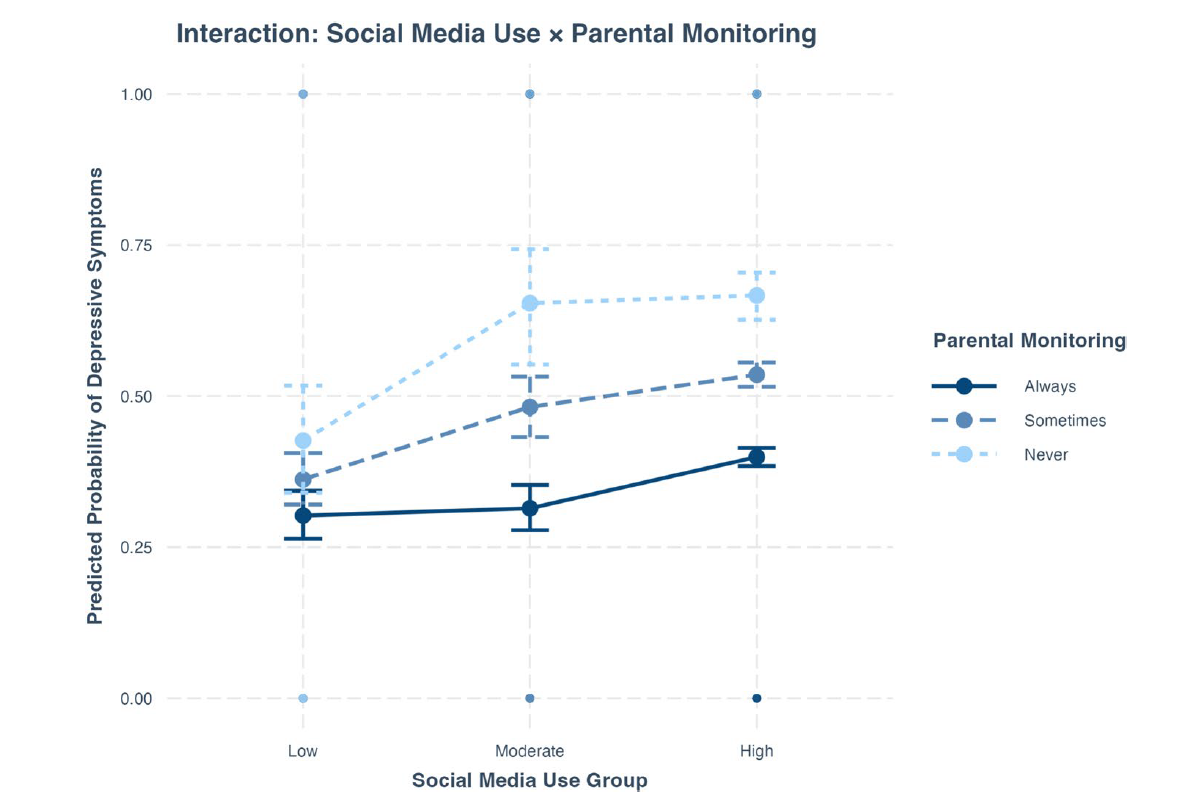
Social media use has significantly reshaped adolescents’ social experiences, raising substantial concerns about its impact on mental health. This study examines the association between social media usage intensity and depressive symptoms among adolescents, emphasizing the moderating roles of parental monitoring and gender. Using logistic regression analysis of the 2023 US Youth Risk Behavior Survey (N = 10,334), results reveal that moderate and high social media use significantly increases depressive symptoms. Notably, higher parental monitoring mitigates these adverse effects. While females exhibit higher depressive symptoms overall, gender does not significantly moderate social media’s impact. This study highlights the importance of nuanced parental engagement and offers critical insights for policymakers and educators to foster healthier digital environments for adolescents.
Household-income trajectories and mental health inequalities in Germany before, during, and after the COVID-19 pandemic: a quasi-experimental panel study
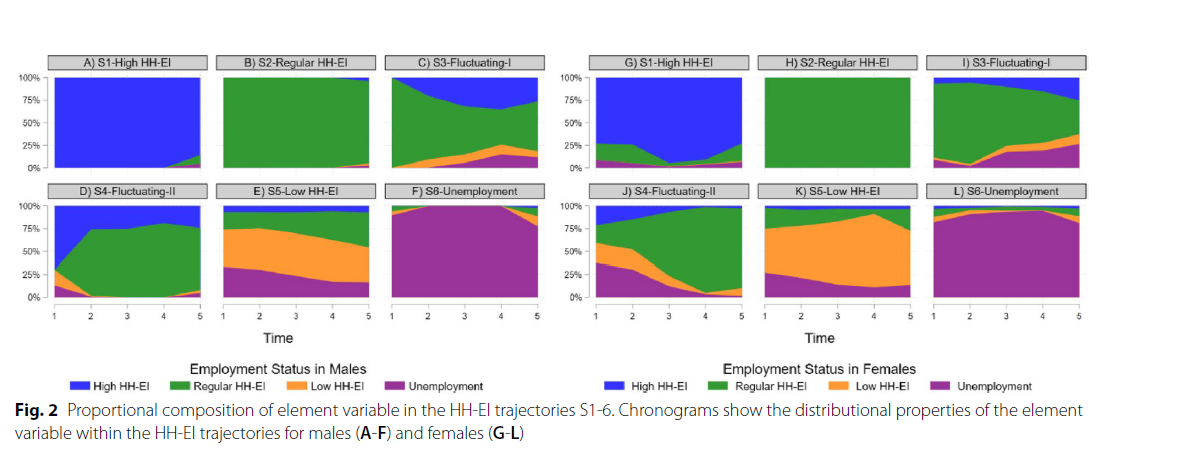
Background: The COVID-19 pandemic disrupted progress toward achieving the Sustainable Development Goals (SDGs), particularly SDG 10 (Reduced Inequalities) and SDG 3 (Good Health and Well-Being). In Germany, labor market volatility, compounded by record inflation, widened social inequalities and contributed to a gradient in mental health. This study examines the relationship between household income and mental health before, during, and after the pandemic in the German working population, addressing whether mental health burdens persisted post-pandemic. Methods: Using the German Socioeconomic Panel (v39.0), we applied a quasi-experimental design employing a ‘placebo control’ approach to obtain difference-in-difference (DiD) estimates. For this purpose, we created an ‘intervention’ sample consisting of respondents exposed to the COVID-19 pandemic (N = 8,340, 2018–2022) and a ‘placebo control’ sample, consisting of respondents not exposed to the COVID-19 pandemic (N = 11,869, 2014–2018), designed to mimic the intervention sample. Sequence analysis identified six typical household income trajectories (S1–S6): high, regular, fluctuating-I-II, low and unemployed. We used estimation methods to assess the mental health impacts of these trajectories during and post-pandemic, stratified by gender. Results: The results confirmed a strong social gradient in mental health tied to household income. For males, the COVID-19 pandemic caused a mental health decline of ~ ¼ standard deviation for trajectories reflecting regular (S2), fluctuating (S3), and low household income (S5) (e.g., S3-DiD = -2.043**), while those in high household income or unemployed trajectories were unaffected. Females experienced a more generalized mental health decline across all trajectories. Post-pandemic, mental health showed signs of recovery but did not fully return to pre-pandemic levels. Conclusions: These findings revealed that regular and fluctuating household income trajectories (S2–S5) are particularly vulnerable to mental health impacts during crises. Females are disproportionately affected, highlighting the need for targeted public health interventions. Strengthening institutional supports, such as childcare, and addressing gender disparities can help build resilience and advance progress toward the SDGs..
Everyday discrimination, co-ethnic social support and mood changes in young adult immigrants in Germany: Evidence from an ecological momentary assessment study
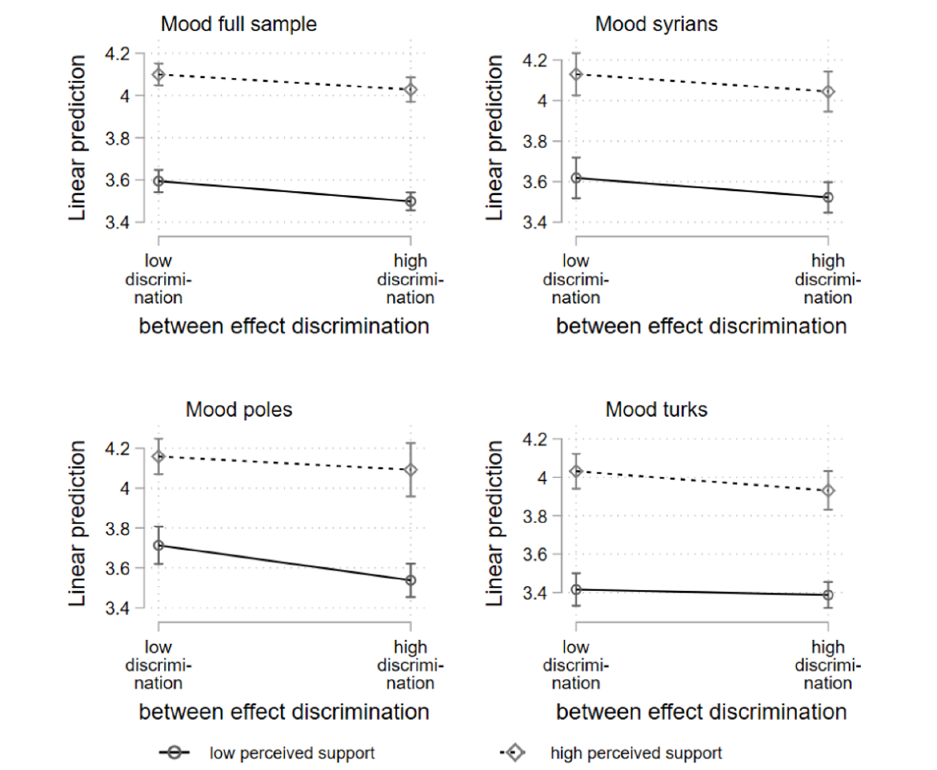
Objective: In the context of international migration flows, Germany is the second largest receiving country of migrants in the world. The aim of this study is to investigate the momentary mood effects of discrimination experiences for young adult immigrants and which social resources can buffer negative effects. A distinction is made between the importance of inter and intra-ethnic interaction partners in processing stressors. Method: Using an ecological momentary assessment design, first-generation migrants in Germany who had recently migrated from Poland, Turkey or Syria were interviewed three times a day over seven days in June 2021 (N individuals = 976; N observations = 11,470). The timing of the short surveys was chosen at random using a signal contingent sampling method. Participants reported their momentary mood and instances of discrimination, along with information on social support perception and interaction partners during the preceding hour in the context of their everyday lives. Hybrid mixed-effects regression models were estimated and the research questions were tested with three-way interactions. Results: The results indicate that perceived social support only moderately buffers the negative effect of everyday discrimination experiences on mood. A positive main effect on mood is observed for situational variations in perceived social support as well as for support from interaction partners. Conclusion: The findings illustrate that being embedded in supportive relationships is important in everyday life, regardless of the occurrence of stressors. Furthermore, the study suggests that the level of perceived support is more important for first-generation migrants than the ethnic origin of the support provider.
Mode of contact and mood changes during the COVID-19 pandemic: A daily diary study during school closures and re-opened schools
The emotional consequences of online social contact in adolescents are a controversial topic. Social interactions and membership in social groups have been identified as essential protection against negative mood. However, different modes of online and offline communication differ in their ability to satisfy the individuals’ need for social closeness. Using a daily diary study, the current work investigated how in-person contact, text messaging, and (video) phone calls were related to adolescents’ mood. Study 1 was conducted during strict school closures in the COVID-19 pandemic in Germany in February 2021 (Nindividuals = 290; Nobservations = 1796; Mage = 14.47; 59% girls and 41% boys) and Study 2 in November 2021 after schools had reopened (Nindividuals = 160; Nobservations = 1061; Mage = 15.21; 66% girls and 34% boys). Hybrid mixed-effects regression models showed that while in-person contact had the most consistent mood effect, text messaging, and (video) phone calls were also at least partially associated with more positive mood.
Welche kontextuellen Faktoren beeinflussen interethnische Beziehungen in der Schule? Eine explorative Netzwerkanalyse
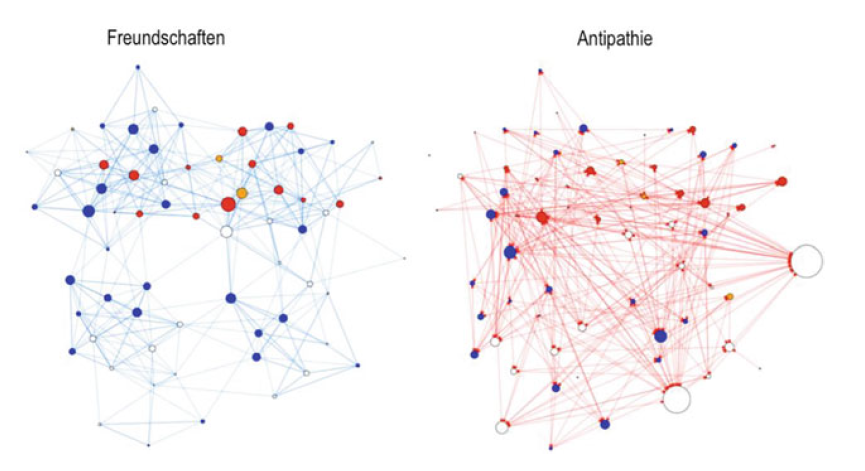
Bezüglich der Frage, wie eine Gesellschaft mit ethnischer Vielfalt umgeht, kommt Schulen eine zentrale Rolle zu. Sie können auf der einen Seite Räume für einen Austausch zwischen Mitgliedern verschiedener ethnischer Gruppen schaffen oder die allgemeine Relevanz von Gruppenzugehörigkeit verringern. Aber auf der anderen Seite können sie auch dazu beitragen, dass eine zunehmende Segregation entlang von Gruppenmitgliedschaften entsteht. In dem folgenden Beitrag untersuchen wir, inwiefern positive sowie negative soziale Beziehungen zwischen 3000 Jugendlichen aus 39 siebten Jahrgangsstufen in Nordrhein-Westfalen durch ihre ethnische Gruppenzugehörigkeit strukturiert sind. Dabei verwenden wir subjektivistische sowie objektivistische Messungen der ethnischen Gruppenzugehörigkeit, um Unterschiede zwischen einer üblichen Einteilung nach Geburtsland mit der selbst berichteten Gruppenzugehörigkeit in Beziehung zu setzen. Zur Analyse der sozialen Beziehungen greifen wir auf netzwerkanalytische Verfahren in Kombination mit Meta-Regressionen zurück. Dies ermöglicht uns festzustellen ob ethnisch diverse Jahrgänge klarere ethnische Grenzen in Freundschaftswahlen und mehr Antipathie Beziehungen über Gruppengrenzen hinweg zeigen. Unsere Ergebnisse weisen darauf hin, dass Jugendliche mit übereinstimmender ethnischer Gruppenzugehörigkeit sich in Jahrgangsstufen mit einem hohen Anteil von SchülerInnen mit Migrationshintergrund zwar verstärkt befreunden, jedoch auch mehr Antipathiebeziehungen untereinander ausbilden. Dieser Befund ist konträr zu der Annahme, dass zunehmende Segregation in positiven Beziehungen auf Bedrohungsgefühle und Spannungen zwischen ethnischen Gruppen hindeuten. Zukünftige Forschung sollte verstärkt positive und negative Beziehungen gleichzeitig untersuchen, um besser zu verstehen welche Mechanismen zu der Ausbildung von ethnischen Grenzen und Vorurteilen führen.